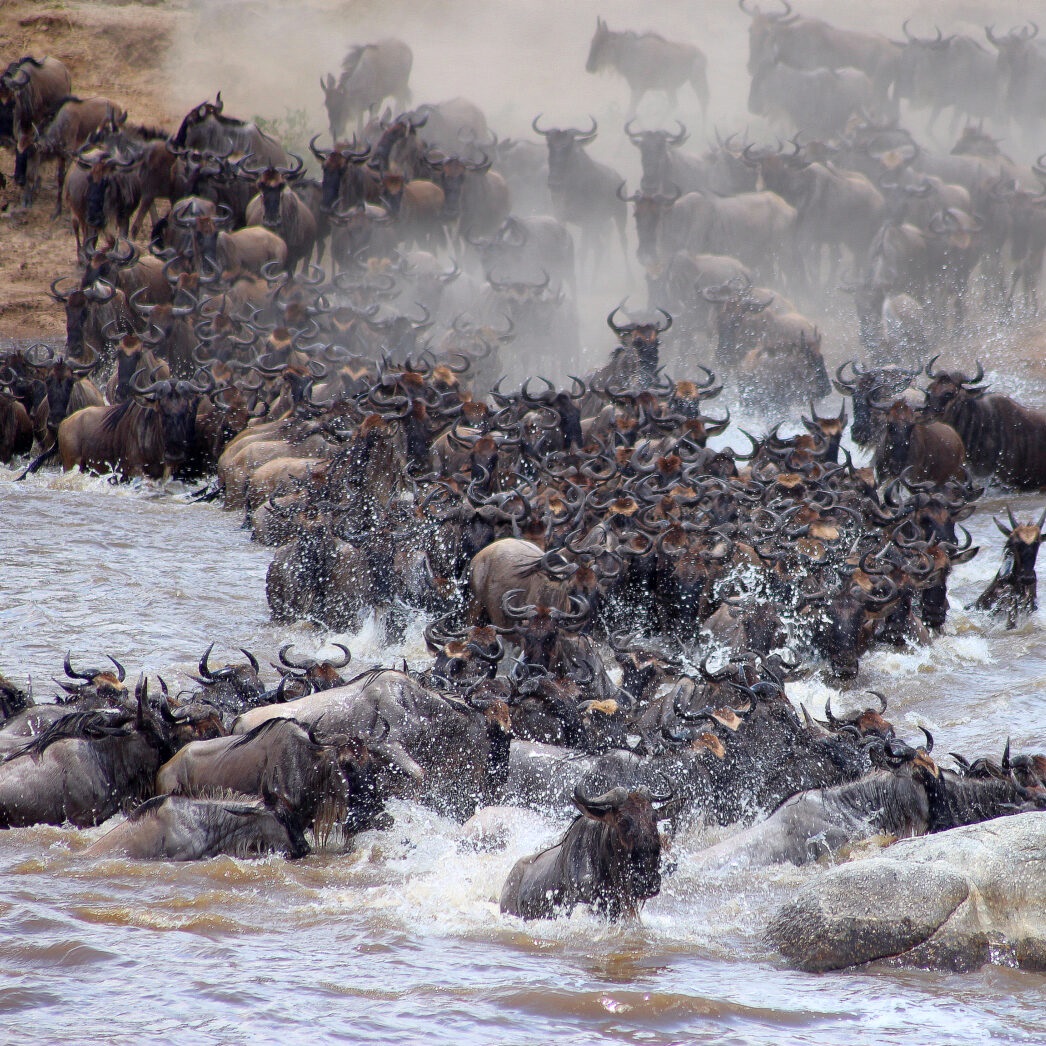
Your Gateway to East Africa's Greatest Wildlife Destination
DISCOVER TANZANIA
Tanzania is not just a destination. It is a feeling — vast, ancient and completely unlike anywhere else on earth. Stretching across 945,000 square kilometres of East Africa, this extraordinary country holds more UNESCO World Heritage Sites than any other nation on the continent, including the legendary Serengeti National Park, the Ngorongoro Conservation Area and the spice-scented island of Zanzibar. From the snow-capped summit of Mount Kilimanjaro — Africa's highest peak at 5,895 metres — to the turquoise waters of the Indian Ocean coastline, Tanzania contains an almost overwhelming diversity of landscape, wildlife, culture and experience within a single border.
Exactly As You Imagined It
There is a version of Africa that exists in the imagination of every first-time traveller vast golden plains rolling to the horizon, elephants moving through evening light, a pride of lions resting beneath an acacia tree, a sky so full of stars it feels impossibly close. Tanzania is the country where that version of Africa is completely, entirely real. Unlike destinations where wildlife exists in fragmented pockets between human settlements, Tanzania has deliberately protected over 38% of its total land area as national parks, game reserves, conservation areas and marine parks — creating one of the largest and most intact wildlife ecosystems anywhere on the planet. The country is politically stable, genuinely welcoming to international visitors and increasingly well-connected with international flight routes making access easier than ever before.
Tanzanian people are known for their warmth the national philosophy of Ujamaa, meaning community and togetherness, runs through the culture in a way that visitors feel immediately.
What Makes It Special
Tanzania does not overwhelm. It opens up, gradually and generously, giving every traveller exactly what they came for and usually a great deal more than they expected.
Travel Requirements
Entry requirements depend on your nationality, so travellers should confirm the rules that apply to them before booking their trip. Uganda's immigration authorities require visa-prone travellers to apply online and obtain approval before travelling, rather than relying on a visa on arrival
Passport
For a tourist visa, your passport or travel document should have at least six months' validity.
Tourist Visa
The ordinary single-entry tourist visa costs US$50 and can be granted for up to three months. Applications are made through Uganda's official online immigration portal.
Documents
Tourist visa applications require a passport bio-data copy, tour plan, travel itinerary or booking, recent passport-size photograph and hotel/accommodation details. Immigration may request additional information or documents during processing.
Yellow Fever Certificate
A yellow fever vaccination certificate is among the documents required for Uganda visa applications for visa-prone travellers.
Visa Approval
Once approved, the Travel Authorization/Approval Letter is sent electronically and should be printed and presented with your valid passport when entering Uganda. The approval authorization is valid for 90 days, so travellers should enter Uganda within that period.
Visa-Free Nationalities
Uganda has visa-exemption arrangements with a number of countries, including Kenya, Rwanda and Tanzania, among others. Travellers from exempt countries should check the current official list before departure.
Travelling Across East Africa?
The East Africa Tourist Visa is also available through Uganda's immigration system for travellers visiting participating East African destinations; the official fee is currently US$100.